
Mastering Racing Lines: The Key to Faster Lap Times in Sim Racing
In the world of sim racing, speed isn’t just about horsepower—it’s about precision and control. One of the most critical skills every racer needs to master is the racing line. The racing line is the optimal path around a track, minimizing distance and maximizing speed through corners. It’s the foundation of competitive racing, whether virtual or real.
In this blog, we’ll explore what racing lines are, why they matter, and how you can perfect them to shave seconds off your lap times.

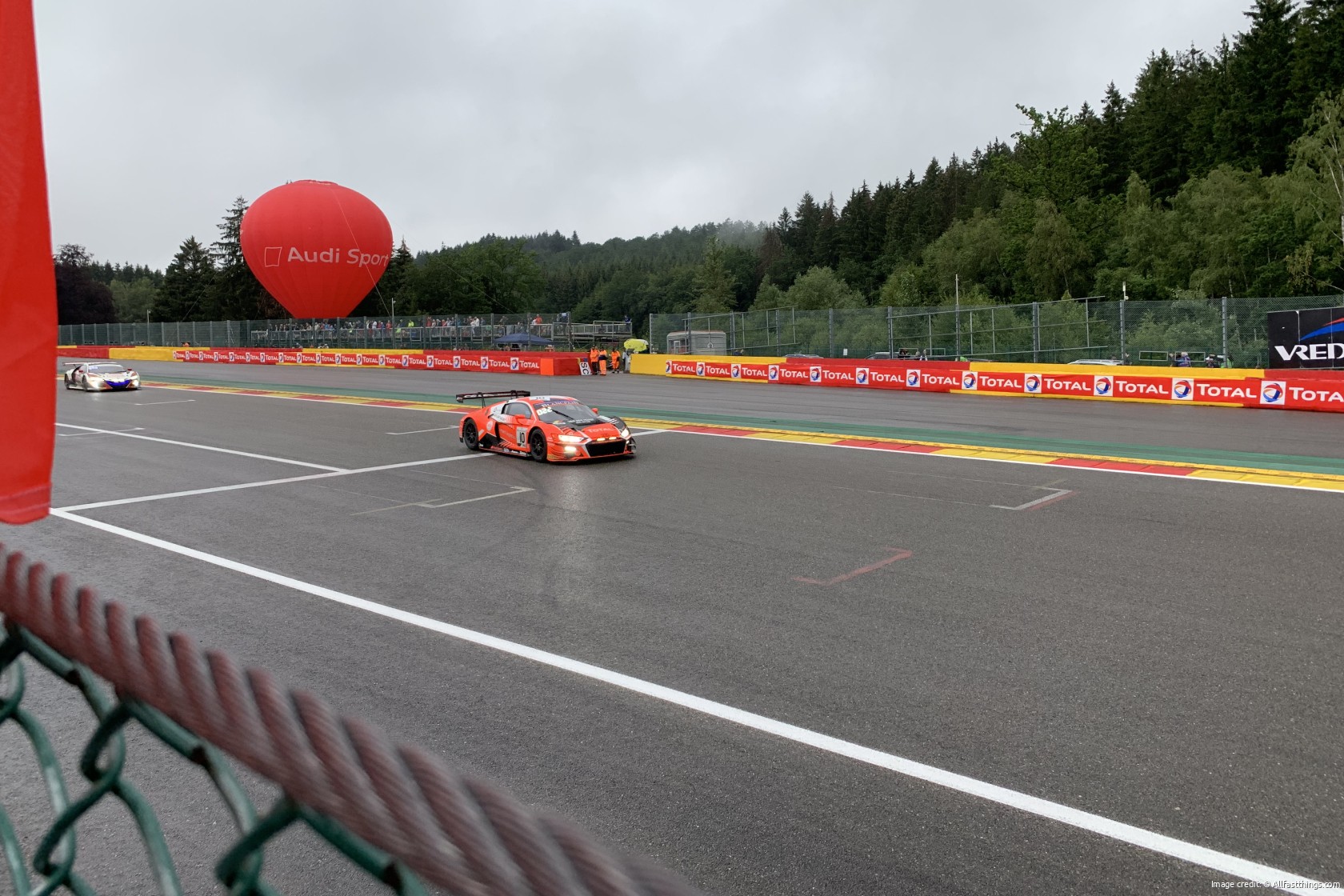
What Is a Racing Line?
A racing line is the fastest route around a track. It involves positioning your car to minimize braking, maximize cornering efficiency, and accelerate earlier out of turns. The ideal line varies depending on the track, car, and racing conditions.
Key components of a racing line:
- Approach: Positioning your car correctly before a corner.
- Apex: The innermost point of a corner you aim to touch.
- Exit: Accelerating out of the corner while maintaining control.
Why Mastering the Racing Line Matters
-
Faster Lap Times
- Following the optimal line reduces distance and maintains momentum, leading to quicker lap times.
-
Consistency
- Mastering the racing line ensures repeatable, predictable results, whether you're hot-lapping or racing online.
-
Better Tire Management
- A smooth racing line reduces unnecessary braking and tire wear, keeping your performance steady over long races.
Types of Racing Lines
1. Standard Racing Line
The most common line focuses on entering wide, hitting the apex, and exiting wide to maintain speed.
2. Defensive Line
Used to block overtaking, this line sacrifices speed for tighter cornering to deny opponents space.
3. Wet Weather Line
In wet conditions, the ideal line often moves away from the traditional rubbered-in path to find more grip.
How to Master the Racing Line
1. Study the Track
Each track is unique, with varying corner angles, elevation changes, and braking zones.
- Do a Track Walk: In sim racing, this means studying the track in a slow practice session. Stay in 3rd gear and try find a flow.
- Learn the Corners: Note where tight hairpins, fast sweepers, and chicanes are located.
2. Understand Corner Phases
-
Entry (Braking Zone):
- Brake early enough to avoid overshooting the corner.
- Position the car wide to maximize the turn radius.
-
Apex (Turn-in Point):
- Aim to "kiss" the apex—get as close as possible without compromising speed.
- Timing your apex correctly is key to carrying momentum.
-
Exit (Acceleration Zone):
- Gradually apply throttle as you exit, allowing the car to drift wide while maintaining control.
3. Practice Trail Braking
Trail braking involves gradually releasing the brake as you enter the corner. This technique shifts weight to the front tires, improving grip and steering precision.
4. Use Visual Markers
Identify braking points, turn-in points, and apexes using visual cues on the track like curbs, signs, or skid marks.
5. Analyze Telemetry
Modern sims like iRacing and Assetto Corsa provide telemetry data to analyze your racing line. Compare your laps to faster drivers to identify areas for improvement.
6. Adapt to Conditions
- Wet Tracks: Avoid the rubbered-in racing line, as it becomes slippery in rain. Look for less-used areas with more grip.
- Tires and Fuel Load: A heavier car or worn tires may require adjusting your line to compensate.
Common Mistakes to Avoid
-
Early Apexing
- Turning in too soon compromises your exit speed and positioning for the next corner.
-
Overdriving
- Aggressive inputs disrupt balance and reduce efficiency. Smoothness is key.
-
Ignoring Exit Speed
- Your corner exit determines how quickly you reach the next straight. Sacrificing entry speed for a strong exit often yields better lap times.
Tips for Practicing Racing Lines
- Use Practice Modes: Spend time in free practice or time trial to refine your technique without distractions.
- Follow Faster Drivers: Watch replays or ghost laps to study their lines.
- Experiment: Try different approaches to corners to find what works best for your car and style.
Conclusion: Smooth Is Fast
Mastering the racing line is a combination of science and art. It requires understanding the track, practicing consistently, and adapting to changing conditions. Whether you're aiming for faster lap times or a competitive edge online, the racing line is your ticket to success.
Start today by choosing a track, studying its layout, and practicing corner by corner. Remember, in racing, smooth is fast.
Deel dit bericht